Richard’s Story
Postcode Lottery
When Joe first began to feel unwell in late 2019, it didn’t arrive as a crisis, it came quietly, in the way so many serious illnesses do. Through small, unsettling changes that families sense before they can properly name. Joe had just completed his master’s dissertation in Philosophy and History. He was thoughtful, diligent, and careful with his health. When something didn’t feel right, he did what he was supposed to do so he went to the GP.
What followed were a series of ordinary medical appointments, the kind that seem routine at the time but later feel heavy with meaning. Minor bowel and bladder changes, a sore neck, trouble swallowing: each visit brought reassurance. Acid reflux was suggested as nothing urgent was found. Life carried on, even as something unseen was quietly advancing.
Through November and into early December, Joe’s swallowing worsened. He underwent tests that offered a brief and cruel sense of relief. An endoscopy test came back normal. For a short while he seemed a little better, able to swallow a little easier but the improvement only lasted a couple of days and then the swallowing
worsened.
By mid-December his speech began to slur as well and fear replaced uncertainty. On December 18th his family walked him into A&E desperate for answers. He was admitted to Chorley and South Ribble Hospital, dehydrated, exhausted, and still without a clear explanation for what was happening to his body.
The truth arrived suddenly and brutally. Initial scans pointed to a neurological problem, but it was a full MRI following transfer to a larger hospital, Preston Royal Infirmary that revealed what no one had been prepared to hear; Joe had a brain tumour. The timing made everything harder as it was Christmas so the hospitals were stretched, staff were thin on the ground, and Joe was placed not in a specialist neurosurgical unit, but on a general neurology ward. For a young man facing a life threatening diagnosis, it was a place of confusion and fear. The man in the bed next to him had died just prior to Joe’s admission and had been left there for 6 hours. The reality of illness surrounded him and his family at every moment.
High-dose steroids were given to reduce the swelling in his brain, but they came with devastating side effects. Joe, who had already spoken out loud to his friends and family about his mental health struggles, became paranoid and deeply distressed. Decisions were slowed by holiday staffing shortages. Time, the one thing he didn’t have kept slipping away.
On New Year’s Eve, surgeons operated. It was a six-hour procedure and the family were initially told it had gone well. They clung to those words. But Joe never recovered as hoped. He was moved to intensive care and then on January 3rd, just days into a new year that was supposed to hold so much promise, life-support was withdrawn.
Richard sat with his son and held his hand as Joe died.
It is an image that carries unbearable sorrow, but also extraordinary love with a father staying until the very end, bearing witness and refusing to let his son be alone.
Richard’s story is not just about loss it is about the painful contradictions of the healthcare system. He speaks honestly about how the NHS gave both its worst and its very best. Joe’s care felt fragmented, delayed, impersonal. Yet later that same year, when Richard’s partner received treatment at the Christie in Manchester, the care was described as compassionate, attentive, and exemplary. The contrast is stark and a reminder that outcomes can depend on timing, resources, staffing, and luck as much as medical expertise. The reality of a post code lottery really hits home.
From the worst grief possible came purpose. What began as a simple Facebook post announcing Joe’s death slowly grew into something larger. A fundraising page was launched on the Brain Tumour Charity website named The Northern Joe’s Fund. A series of fundraising challenges created to honour Joe’s memory and raise awareness of young onset brain tumours. Richard began cycling, walking, organising events because doing something felt better than standing still with the pain. To this day Richard and the team have raised an astonishing £123,601.52!
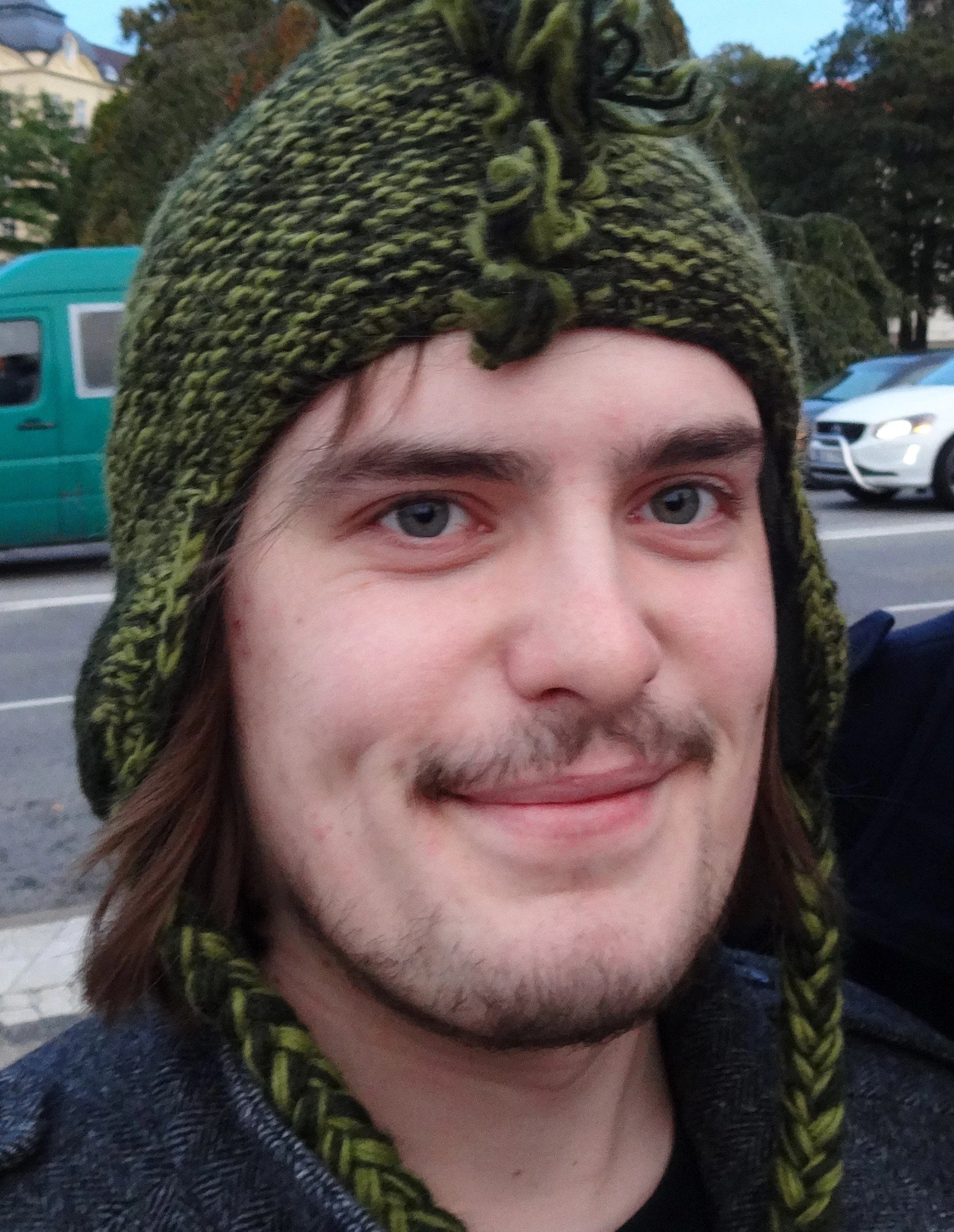
What resonates most in Richard’s story are the gentle, deeply human details that make Joe real beyond any medical label. He told me that Joe’s first instinct was always to think of others, checking that everyone else was alright before ever considering himself. He had a real love for film and television, and he threw himself into acting at school and university, as well as trips to the theatre and live concerts. And, by Joe's own proud admission, he was a complete geek when it came to Marvel and DC. It’s a powerful reminder that behind every statistic is a person who was deeply loved.
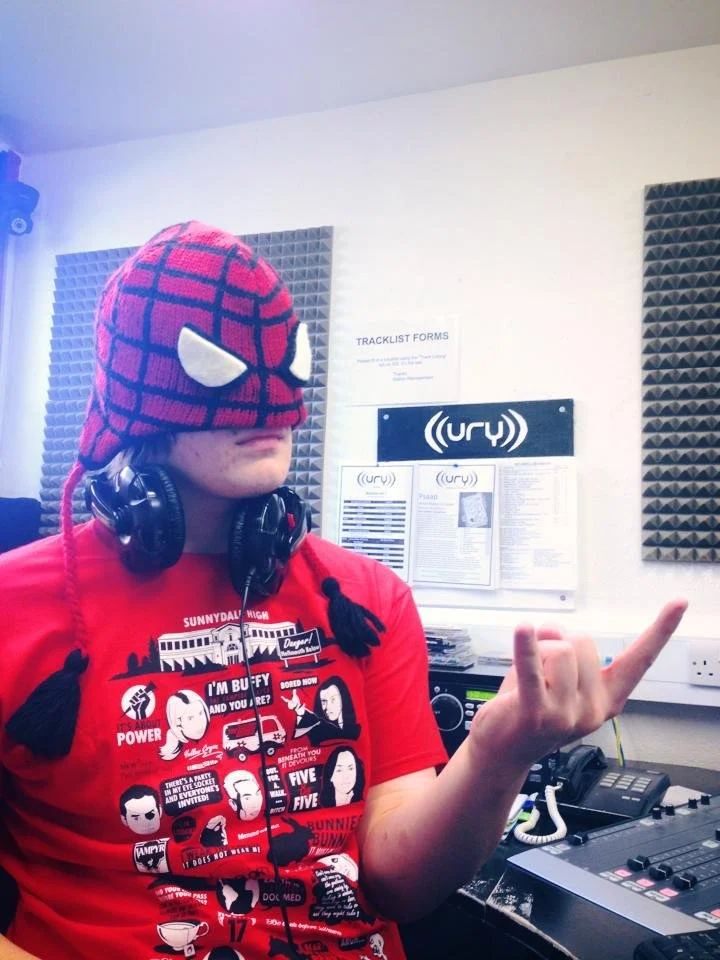
Richard talks about the shock, the unfairness and the way grief reshapes everyday life. How it lingers in quiet moments and ordinary places. But he also speaks about the choice to carry pain in a way that creates something meaningful. For Richard, honouring Joe is both an act of love and survival; transforming unbearable loss into action, awareness, and
hope for others.
Joe’s story is ultimately a call to listen. To young people who know when something is wrong in their bodies. To parents who feel that instinctive fear and shouldn’t ignore it. To clinicians, to systems, to institutions, to take uncertainty seriously and to follow symptoms that don’t quite make sense.
It is also a reminder that grief, for all its devastation, can become a force for change. That love does not end with death, but reshapes itself into memory, movement, and meaning and that every step Richard takes for a fundraiser, every pound raised, every conversation started, keeps Joe’s presence alive not just in memory, but in a future where fewer families have to wait so long for answers, and fewer parents have to hold their child’s hand at the end.