Owen Sutton BCAv — The Courage That Rose from Seizures and Loss
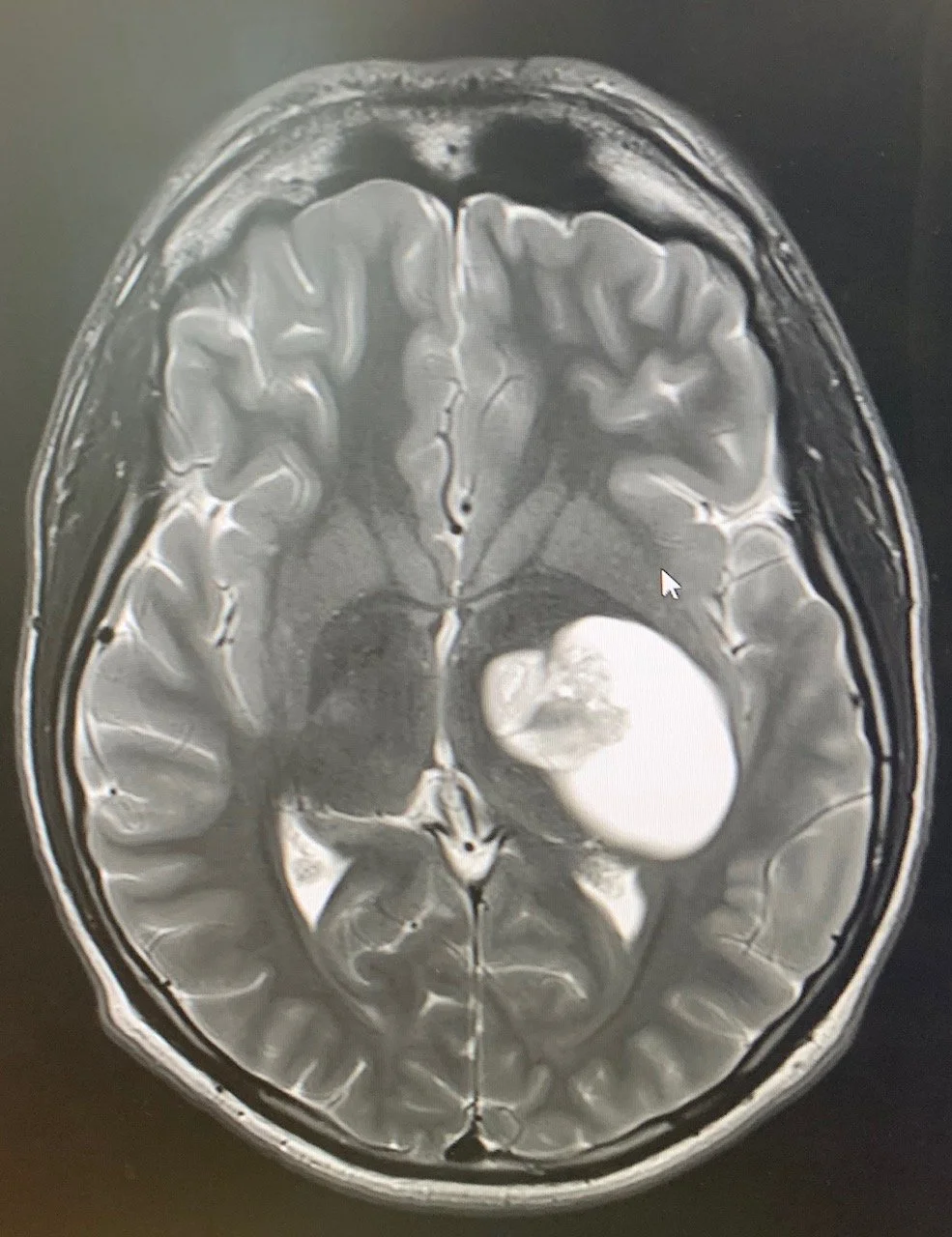
At twenty, Owen Sutton was the picture of a young man with the world ahead of him, studying product design at Nottingham Trent University, training for a marathon with friends and laughing through the ordinary chaos of student life. Then the small, nagging symptoms he had dismissed as overwork revealed themselves on an MRI. A grade 1 pilocytic astrocytoma: a slow-growing tumour nestled where his head meets his spine. In the consultation room, his parents collapsed into tears; his father, a man Owen had never seen cry, broke down completely. The diagnosis was only the beginning of the descent.
During the first operation, a rare stroke stole the right side of his body and left him able to utter only the word “yes.” It was as if his mind was stuck in a body that no longer belonged to him.
However, he relearned to walk and talk as a young adult while cystic fluid repeatedly rebuilt, demanding more surgeries. Worst of all were the seizures, seven in as many months. Each one arrived with flashes of light and colour, and the terrifying conviction that he was dying. He cut open his eyebrow, fell in the shower, woke to ambulances and a circle of nurses (his mother among them) staring down. PTSD and constant anxiety followed; every second felt like the next blackout waiting to happen.
He was offered a conspicuous protective helmet and refused it, too proud and broken to wear the visible mark of his fragility.
Out of that pain he created something tender and practical. As part of his degree he designed a stylish, everyday looking cap lined with high tech foam that could absorb impact without announcing disability. It won a gold Creative Conscience award.
Yet the deeper rescue came when his mother and oncologist refused to accept that he would simply live with the threat of the tumour getting worse forever.
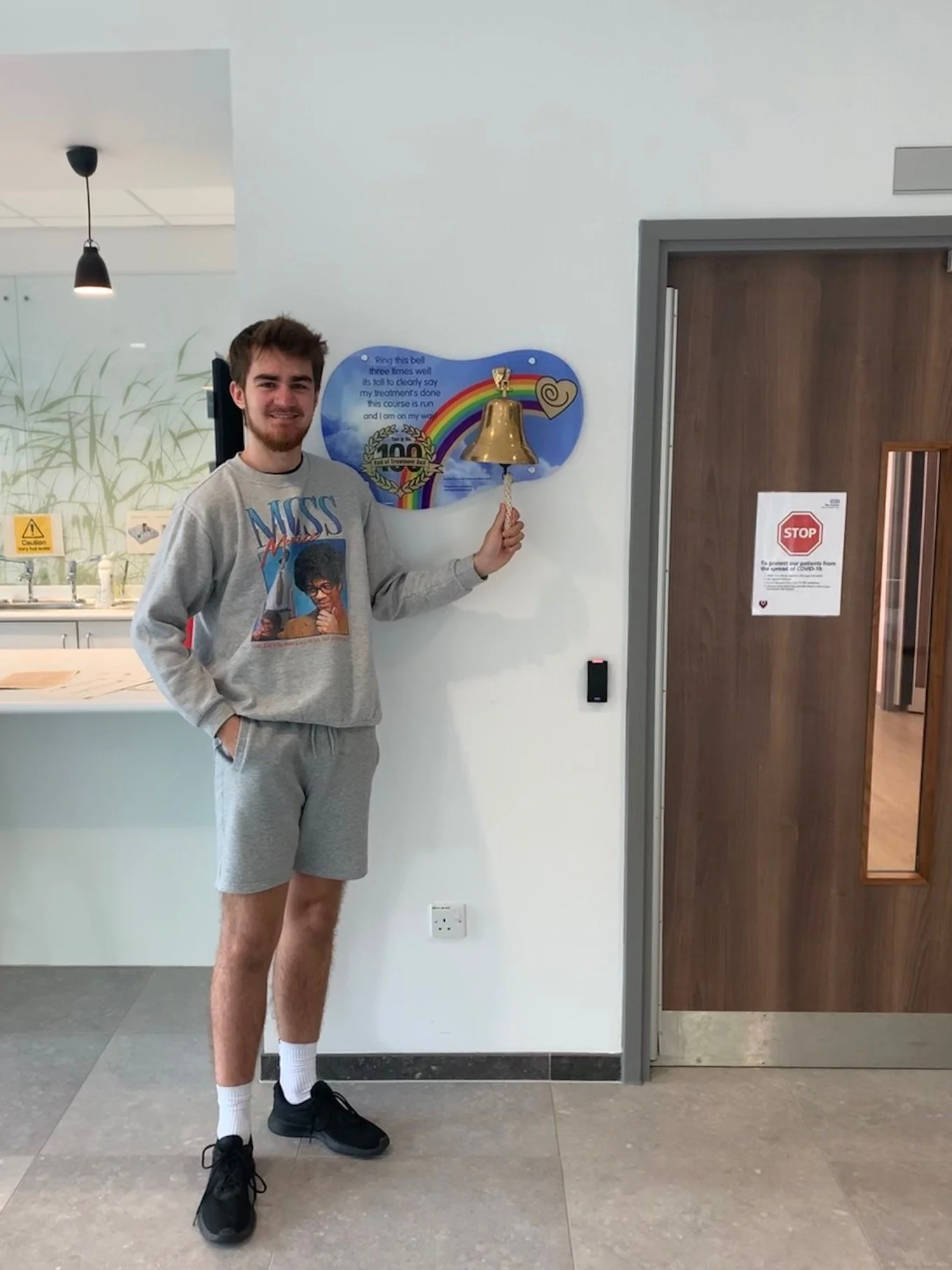
They searched relentlessly until a clinical trial at the Sarah Cannon Research Institute offered a new drug. It was life-changing. Since 2023, Owen has been seizure-free. The cystic fluid has lessened; the tumour has remained stable. For the first time in years, he could breathe without the next attack hanging over him.
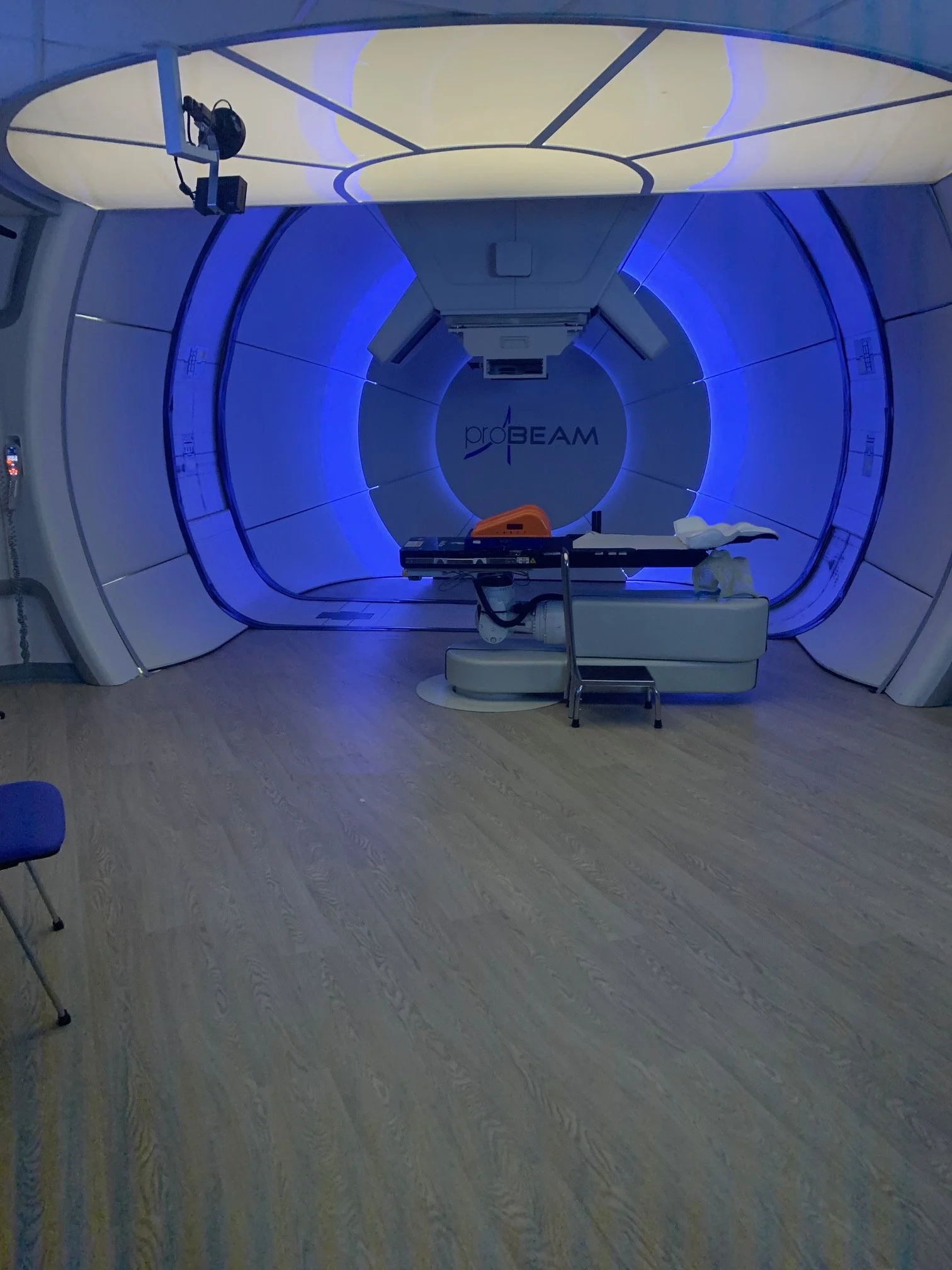
Stability brought no simple return to the carefree student he had been. His right hand still refuses movement. His right leg still lags.
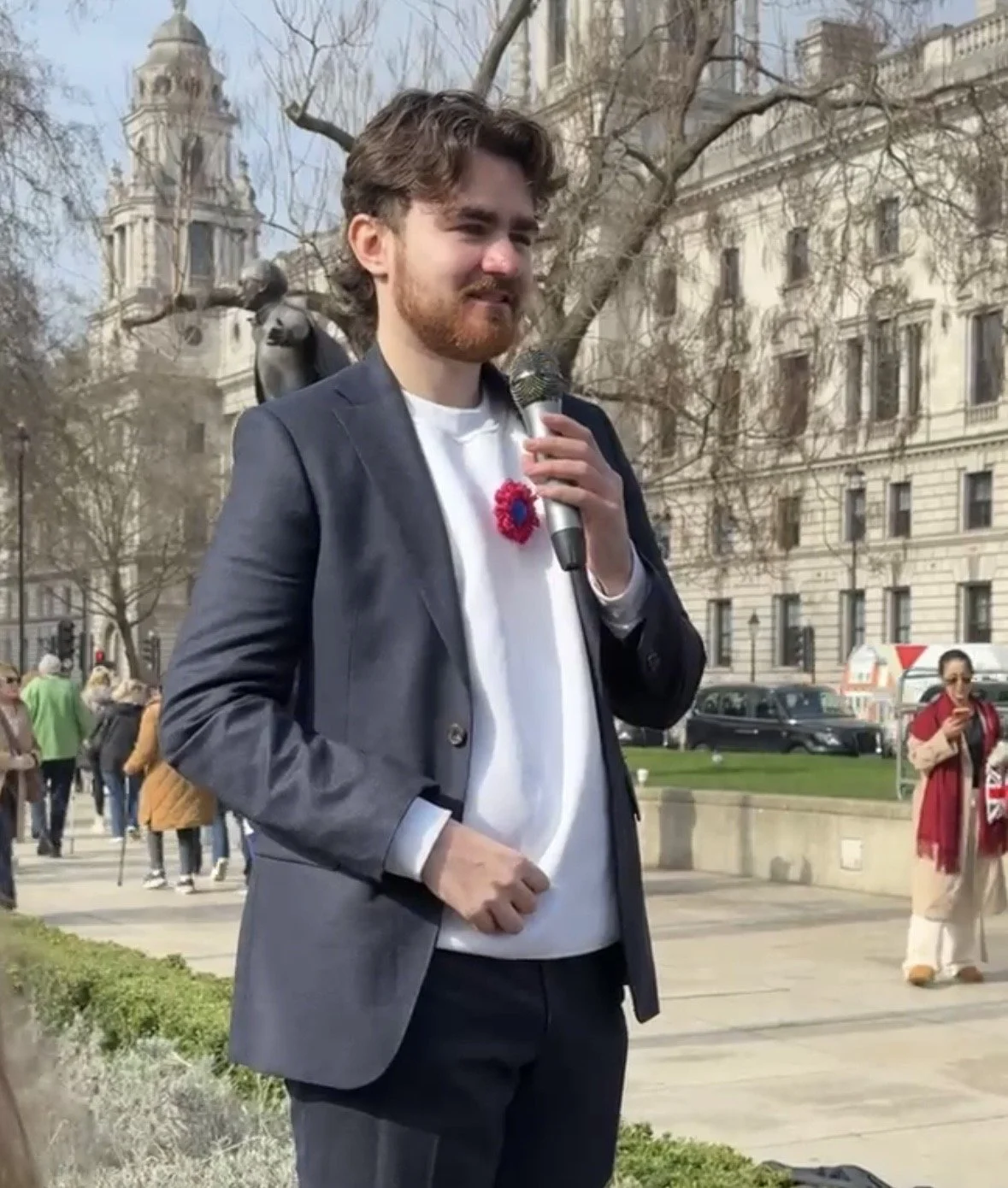
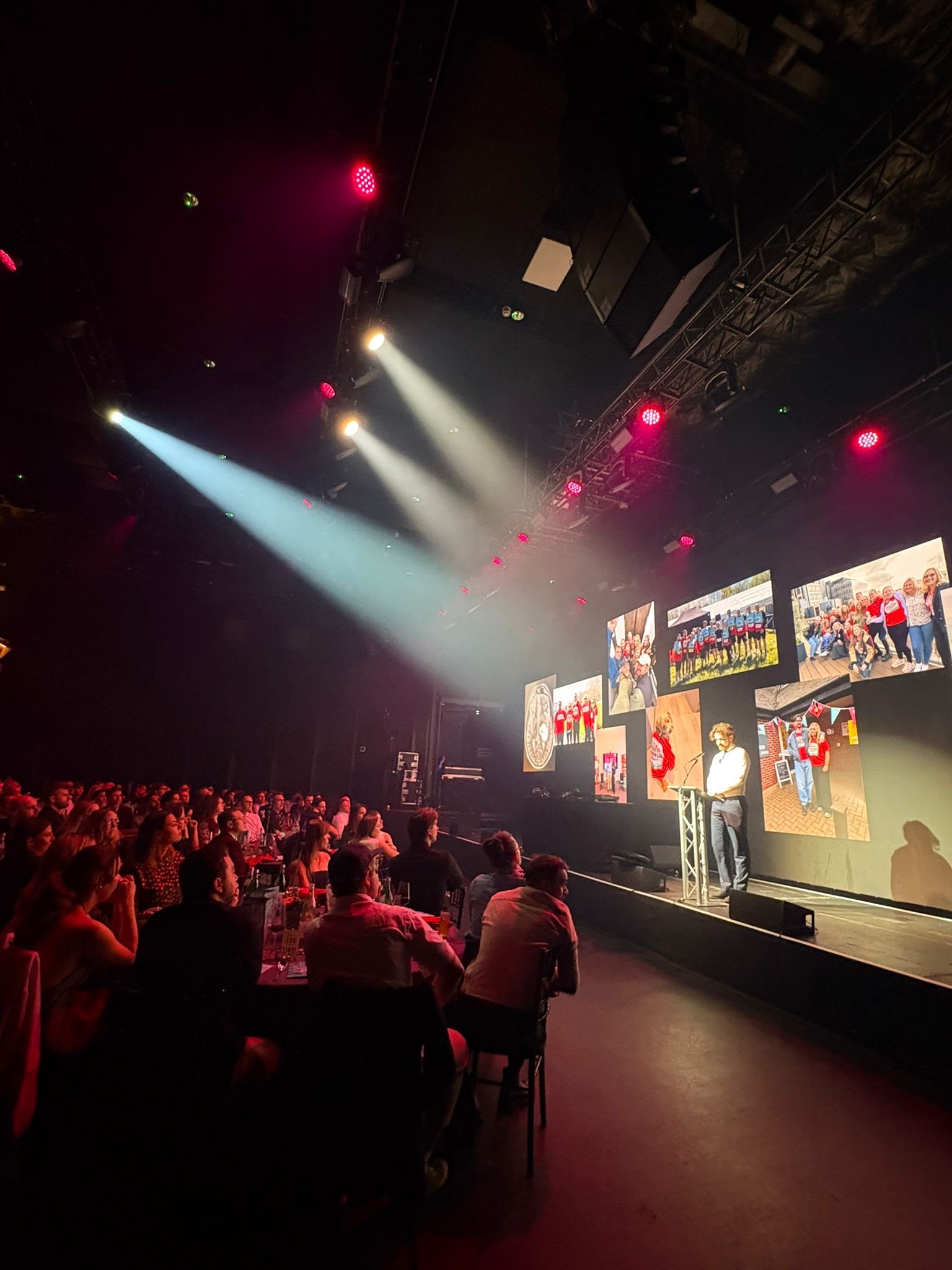
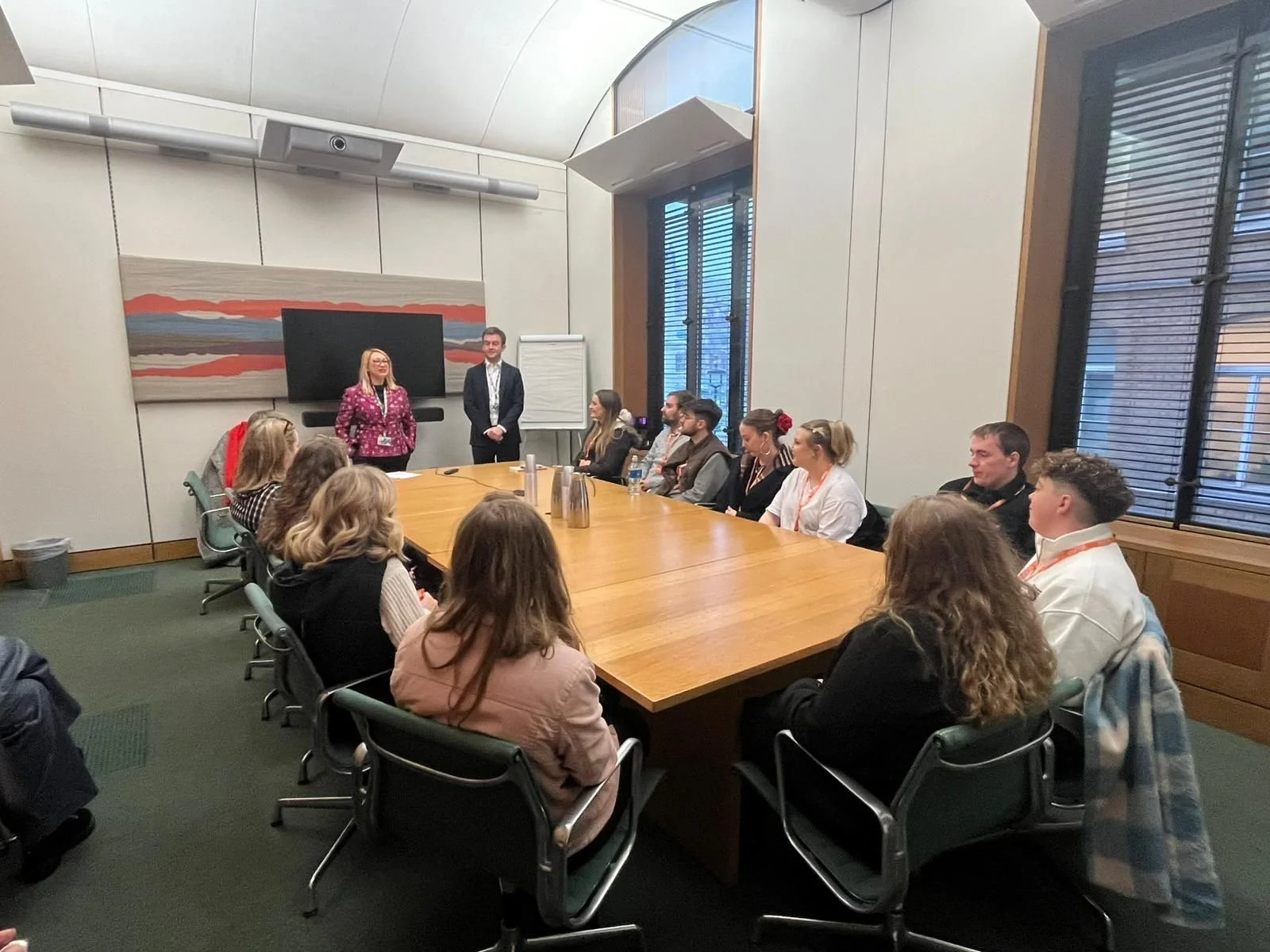
Owen channelled that grief into action, becoming a Young Ambassador for The Brain Tumour Charity, raising over £100,000 as a group, and speaking in Westminster about the desperate need for research funding and better access to trials.
Alongside this, he made a speech at the SENSORA event about the loneliness he carried for so long beginning to disappear once he joined the rest of the young ambassadors group through The Brain Tumour Charity. “I wasn’t the only one anymore. I was surrounded by people who didn’t need long explanations. People who just got it. People who understood the fear, the strength, the resilience it takes to keep going.”
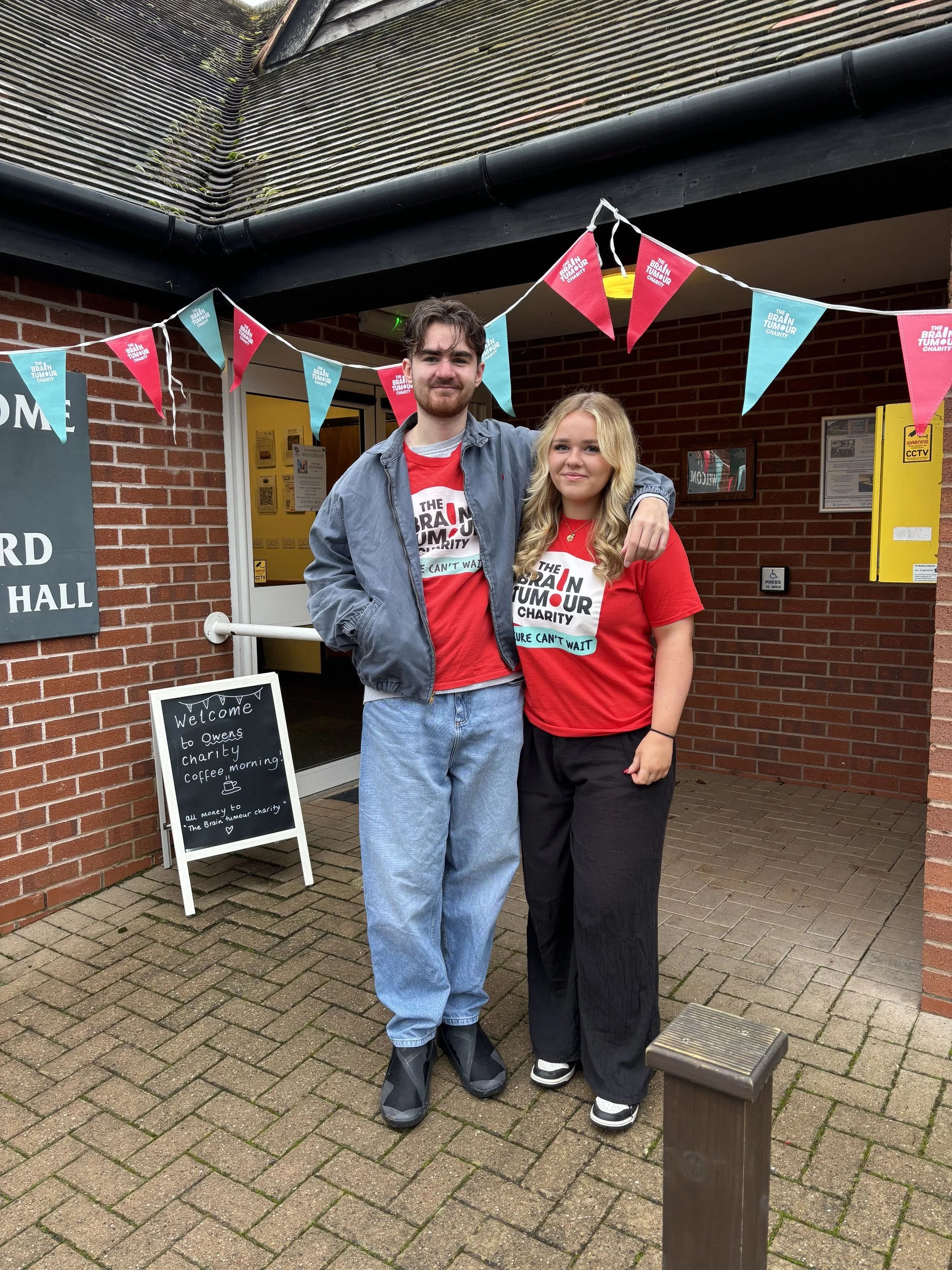
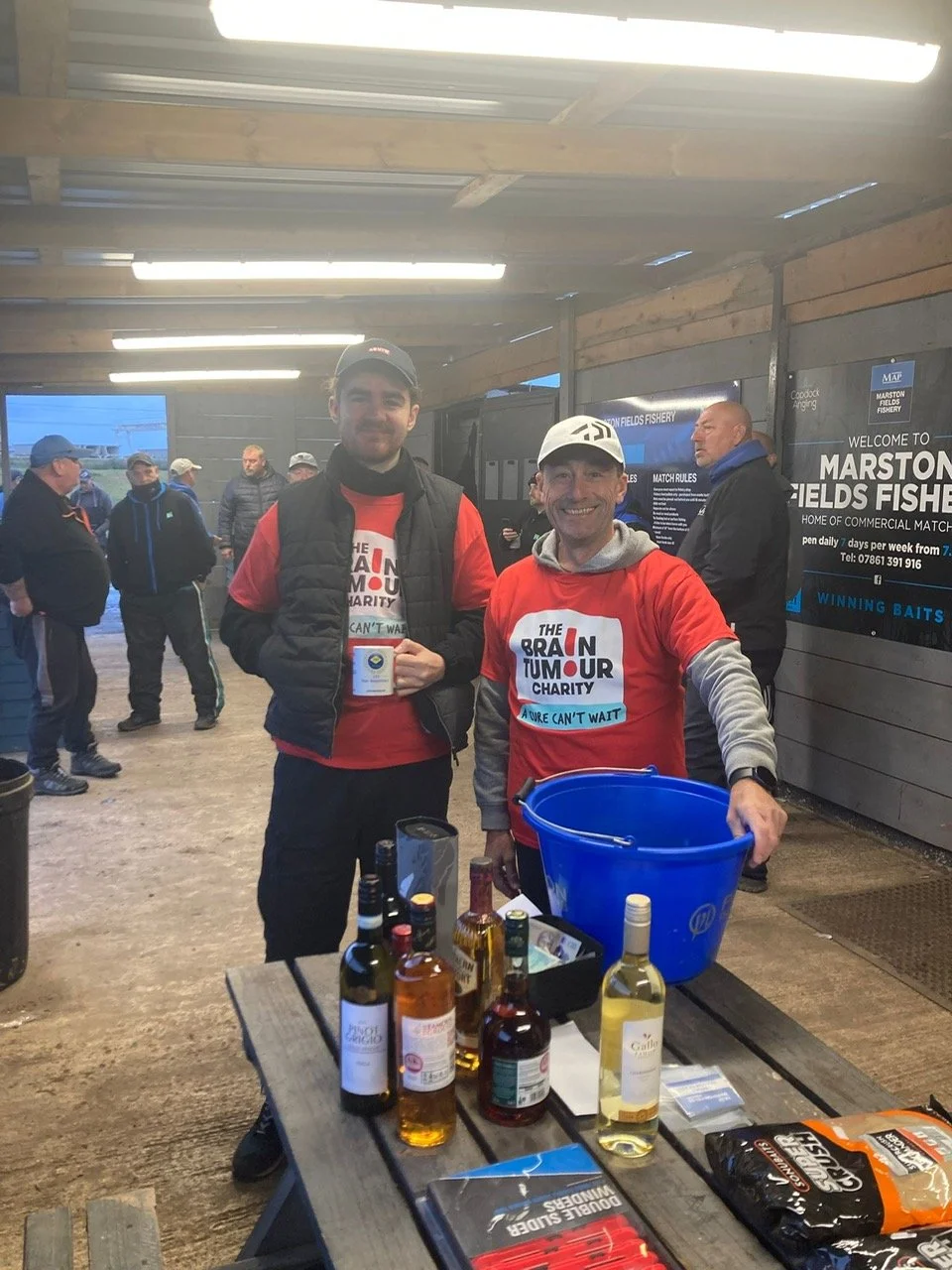
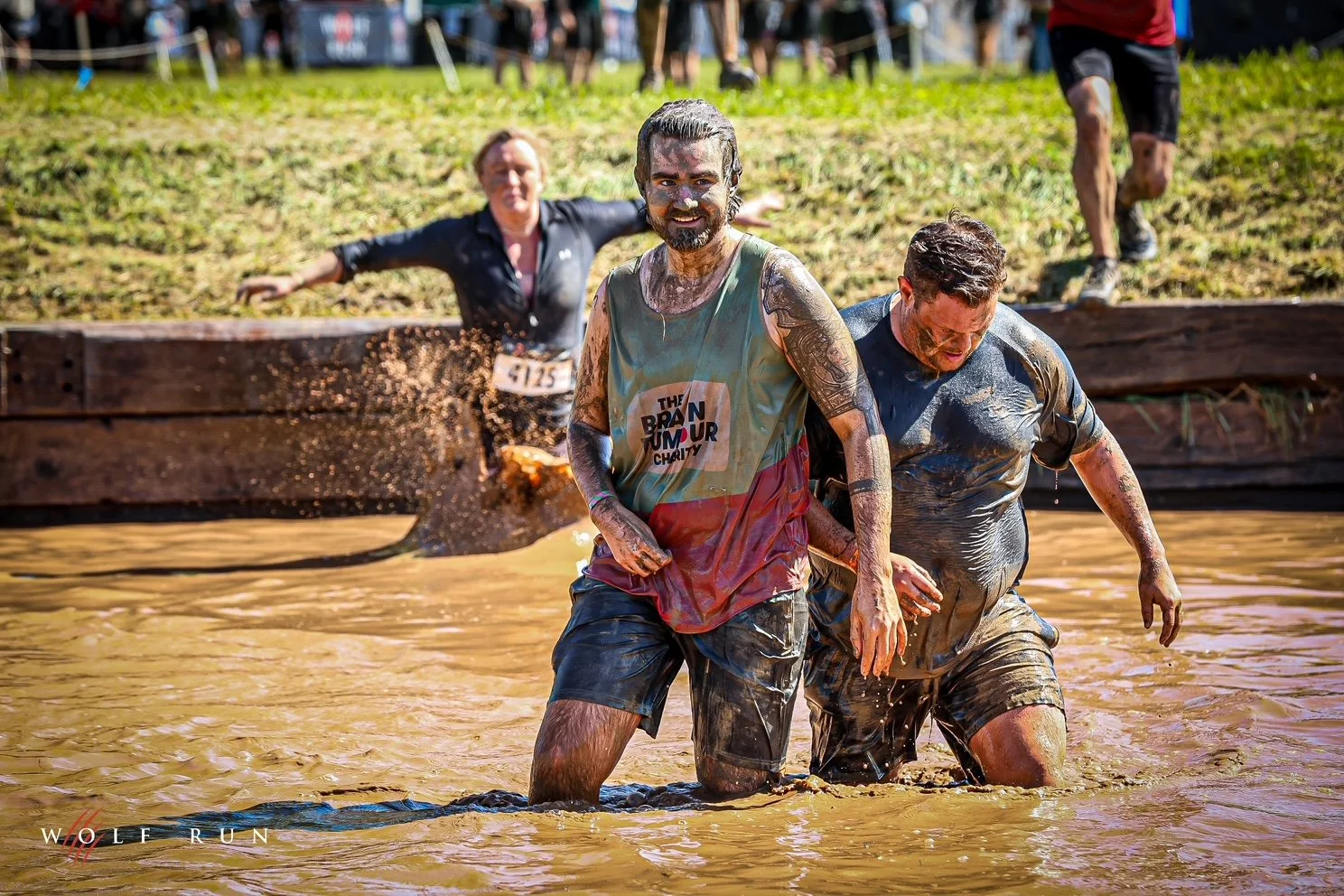
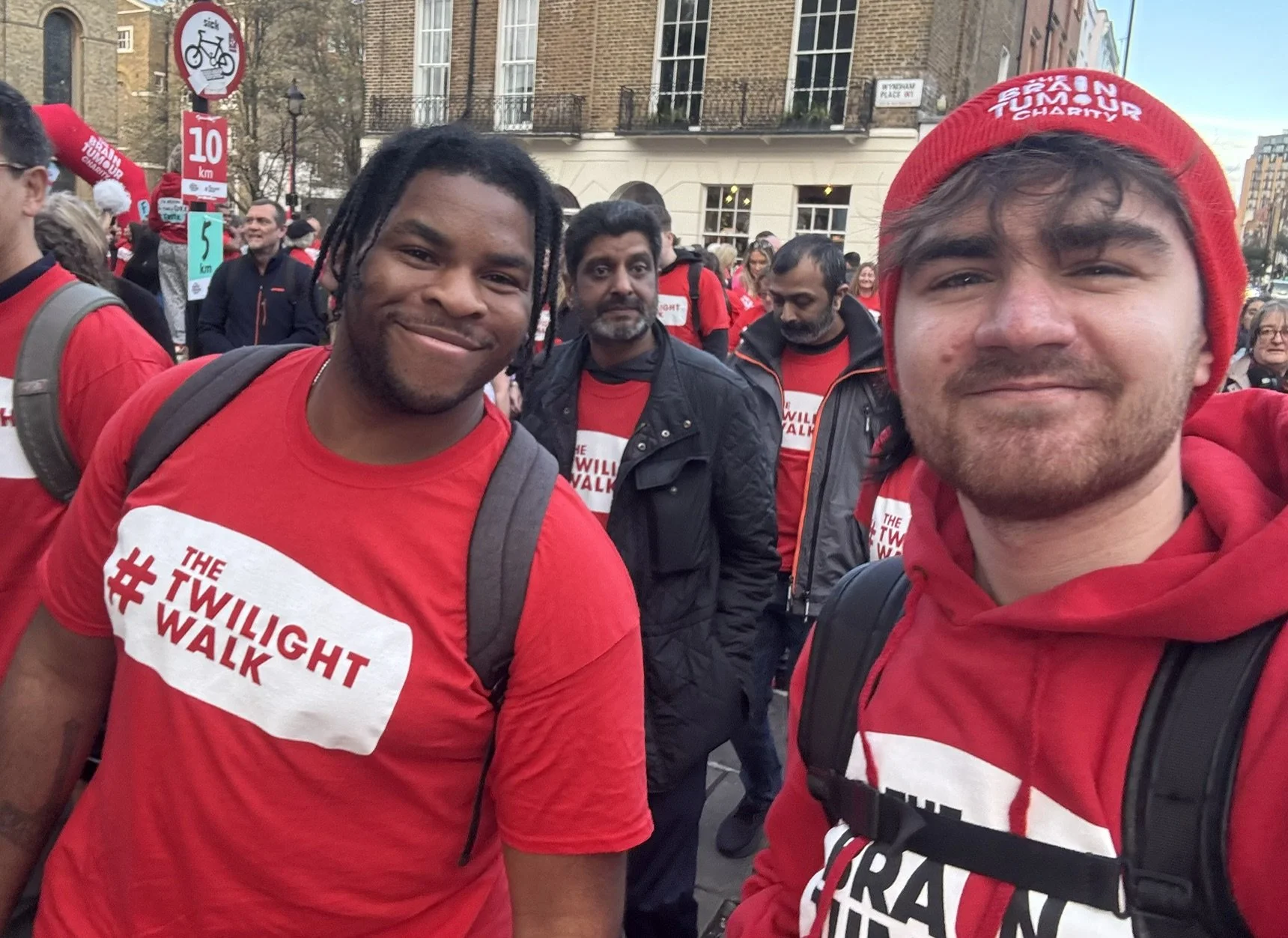
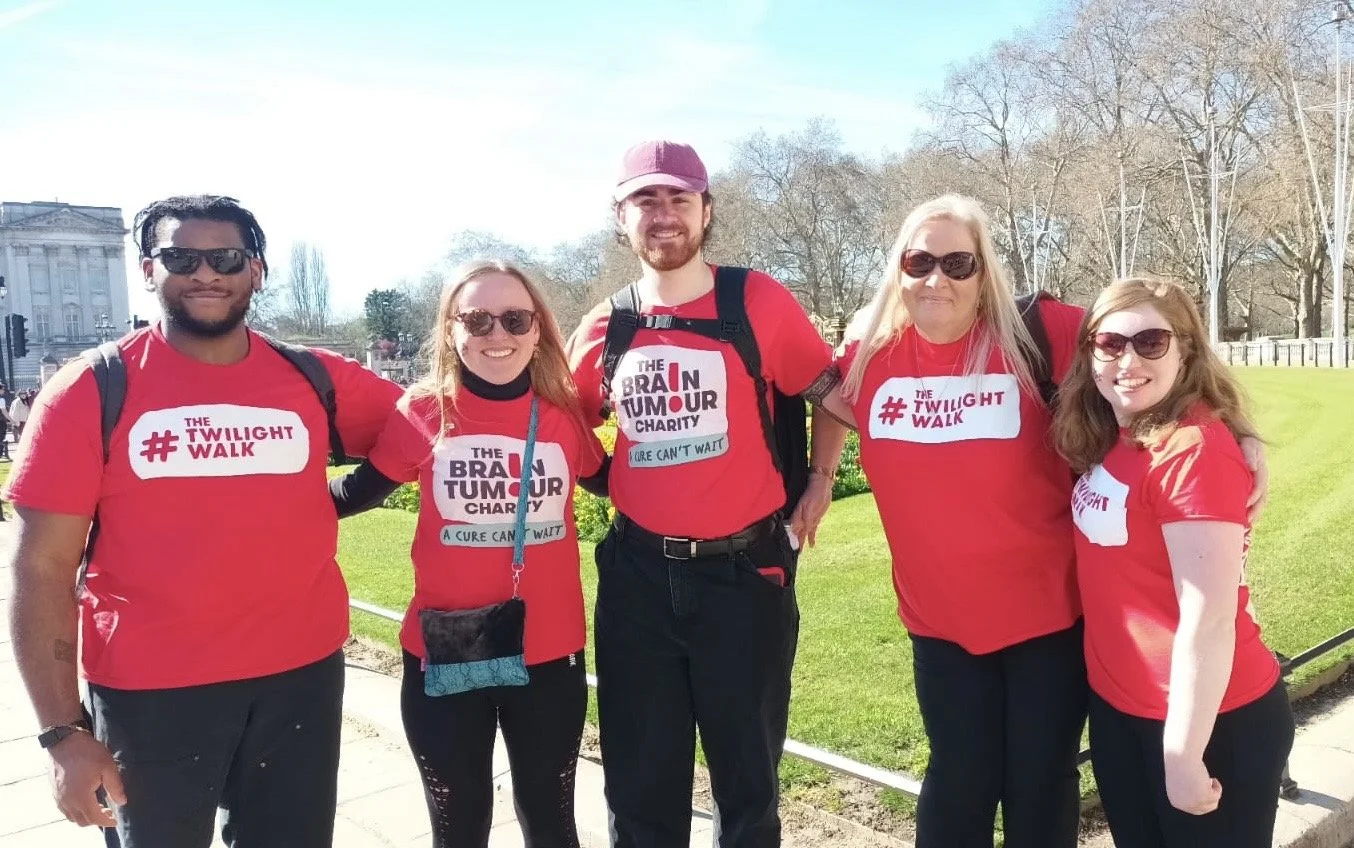
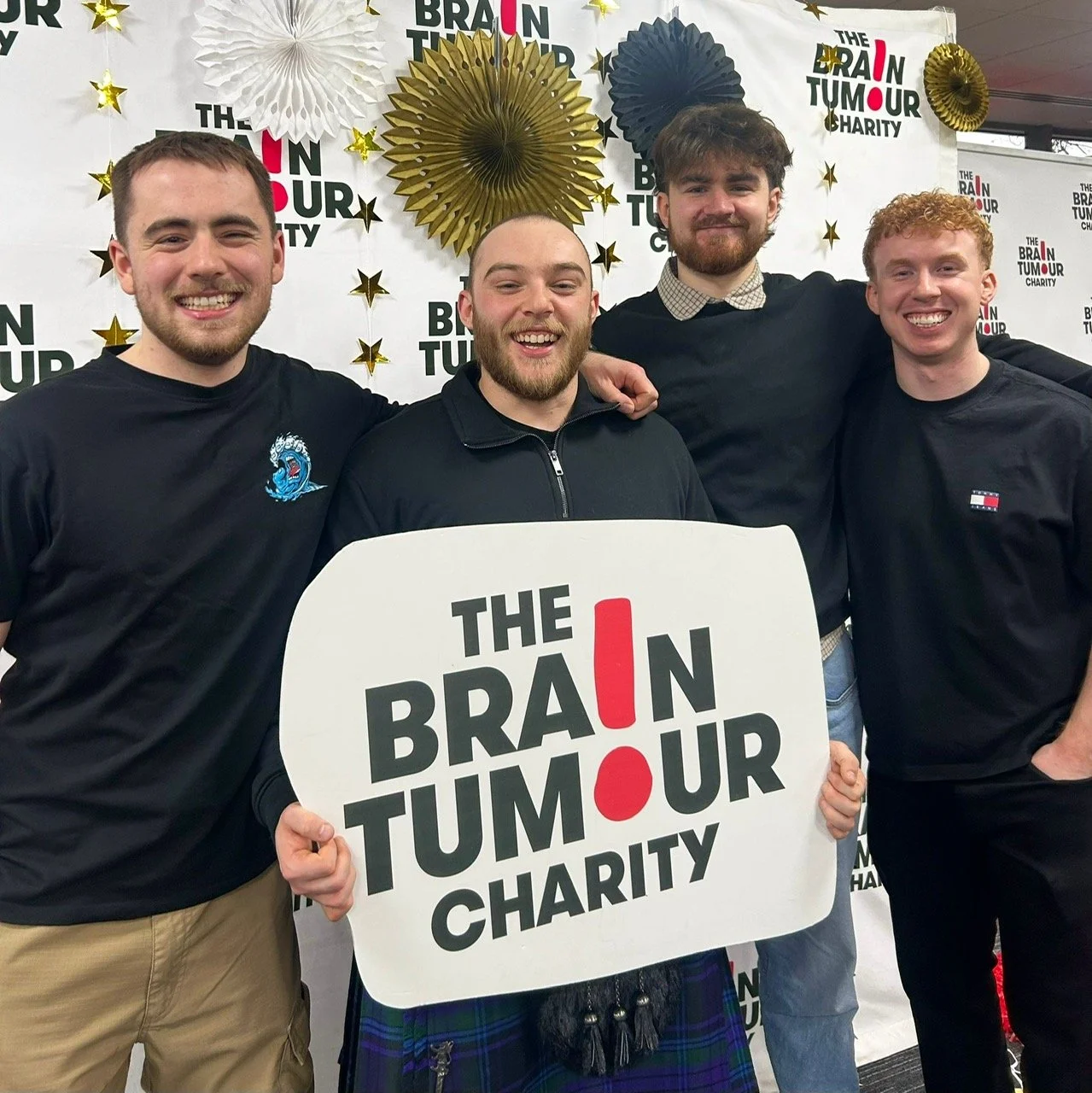
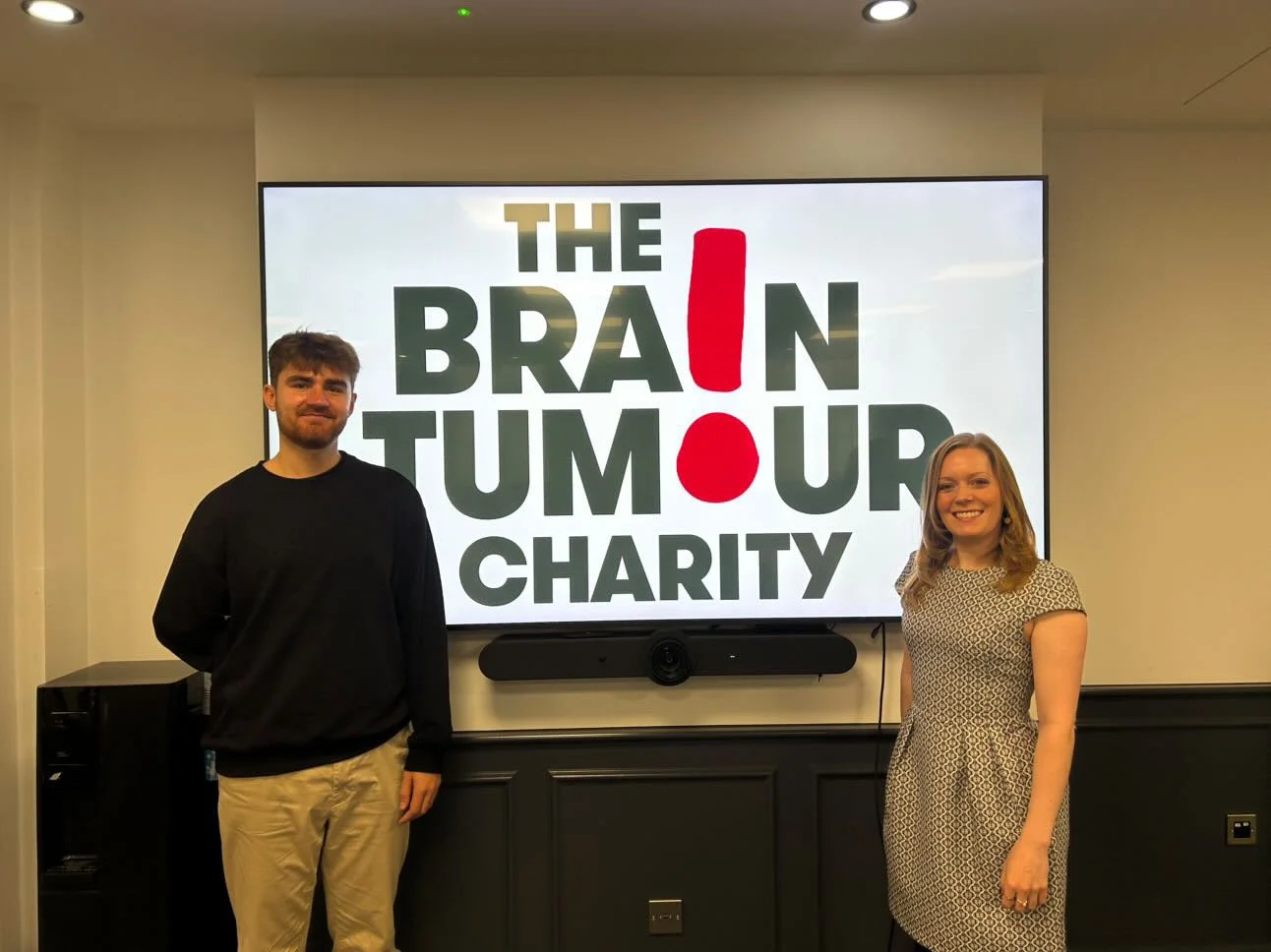
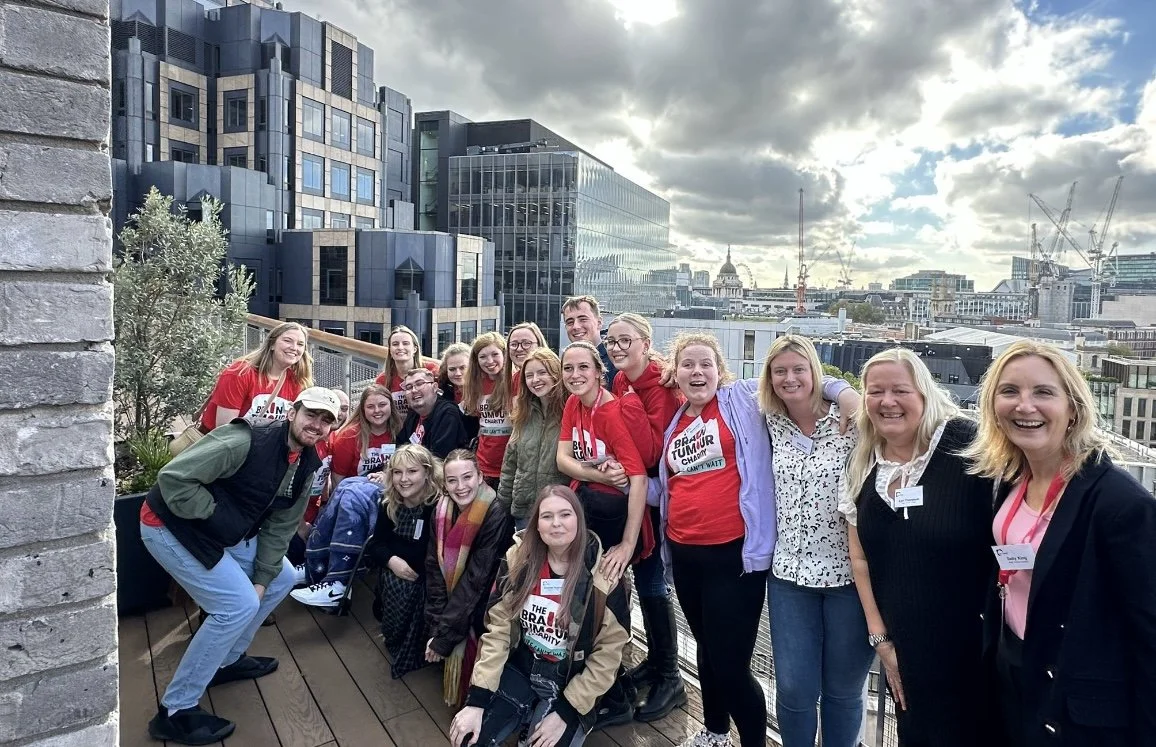
Part of that group of 21 was Evanne Hughes, Harry Thompson and Syren. Three incredibly talented, kind human beings who all passed away during the program, undeserving of their lives being cut short. Unfortunately, cancer doesn’t discriminate.
He has carried the memory of those lost friends into every campaign, determined to help turn “terminal into treatable.”
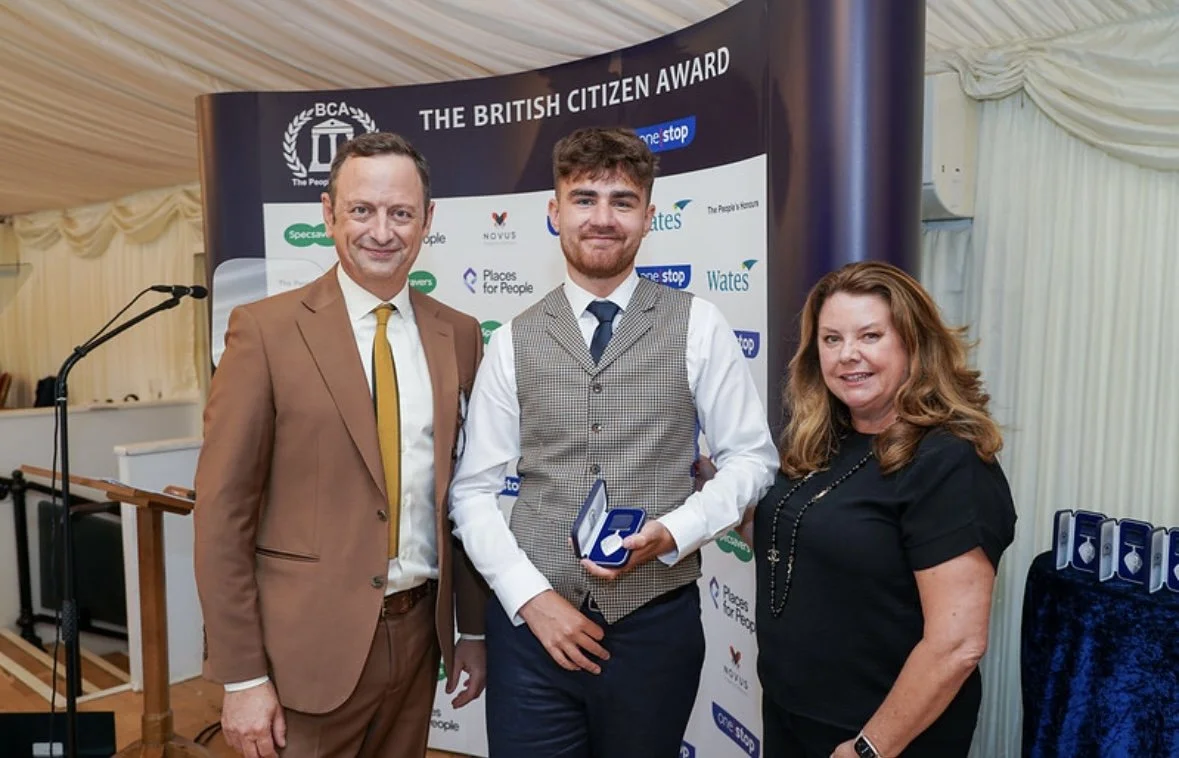
In 2025, the British Citizen Award (BCAv) recognised that quiet, persistent courage. Standing to receive it, Owen spoke of beginning the work simply to help others and honour those who could no longer speak for themselves.
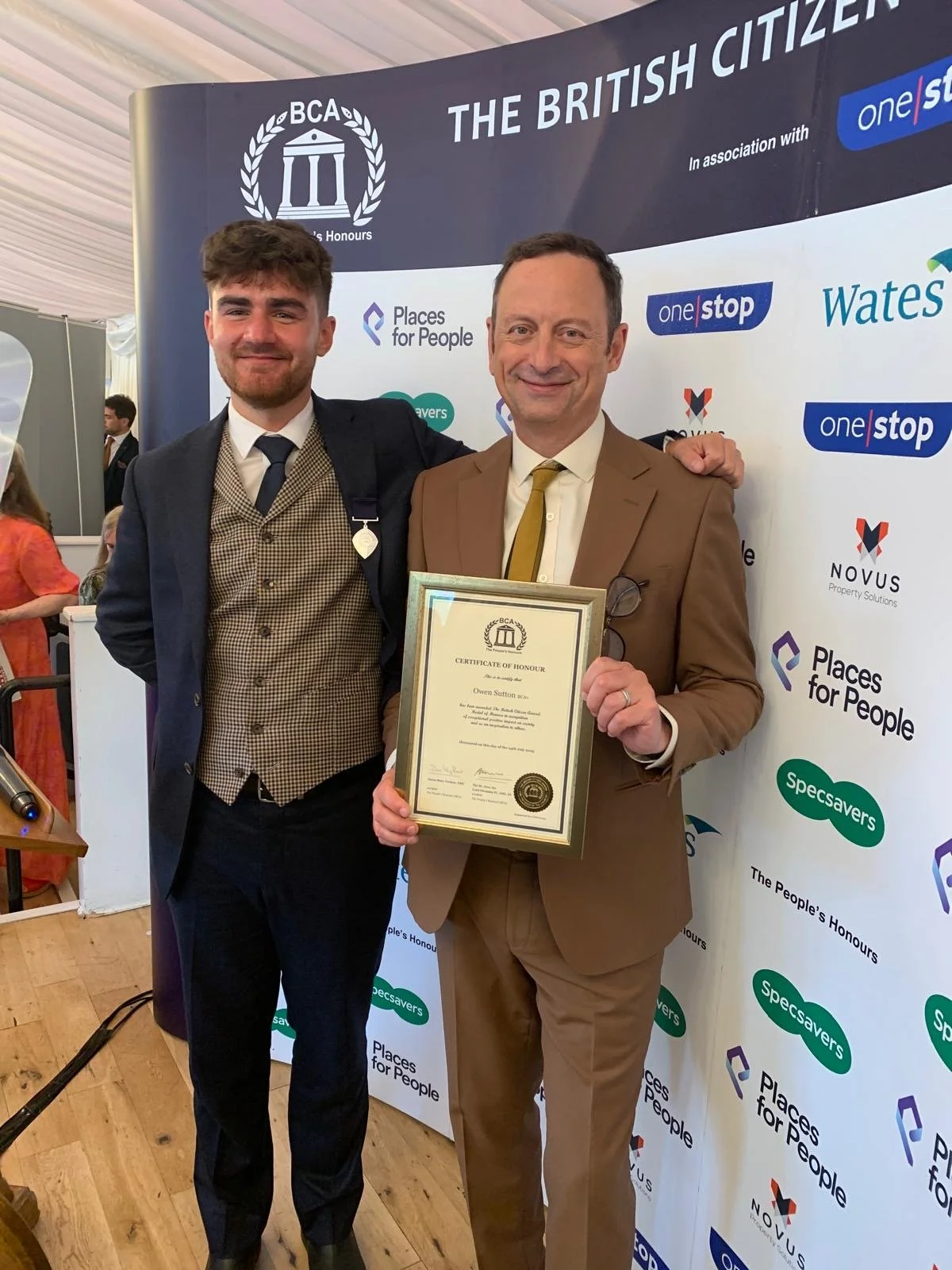
Owen’s story is the hard-to-hear account of a young life interrupted by tumour, stroke, seizures and the deaths of friends, and the uplifting truth that from that heartbreak he built protection, advocacy and hope. His journey reminds us that even after the body is rewritten by illness, the human spirit can still choose to push forward, to remember, and to lift others up and fight for change.
That is why he chose to join Brain Cancer Justice. To try everything in his power for a better future for those diagnosed with brain cancer.
